Showing posts with label Government Documents. Show all posts

Thursday, February 2, 2023

Reference Shelf: Government Documents

As a reference librarian here at the Worcester Public Library, I often see patrons searching for reliable and trustworthy information on a wide range of topics. From environmental research to health resources, government documents are a valuable resource for library patrons. In this blog post, I’d like to explore what government documents are and what you’ll find here at WPL.

U.S. constitution
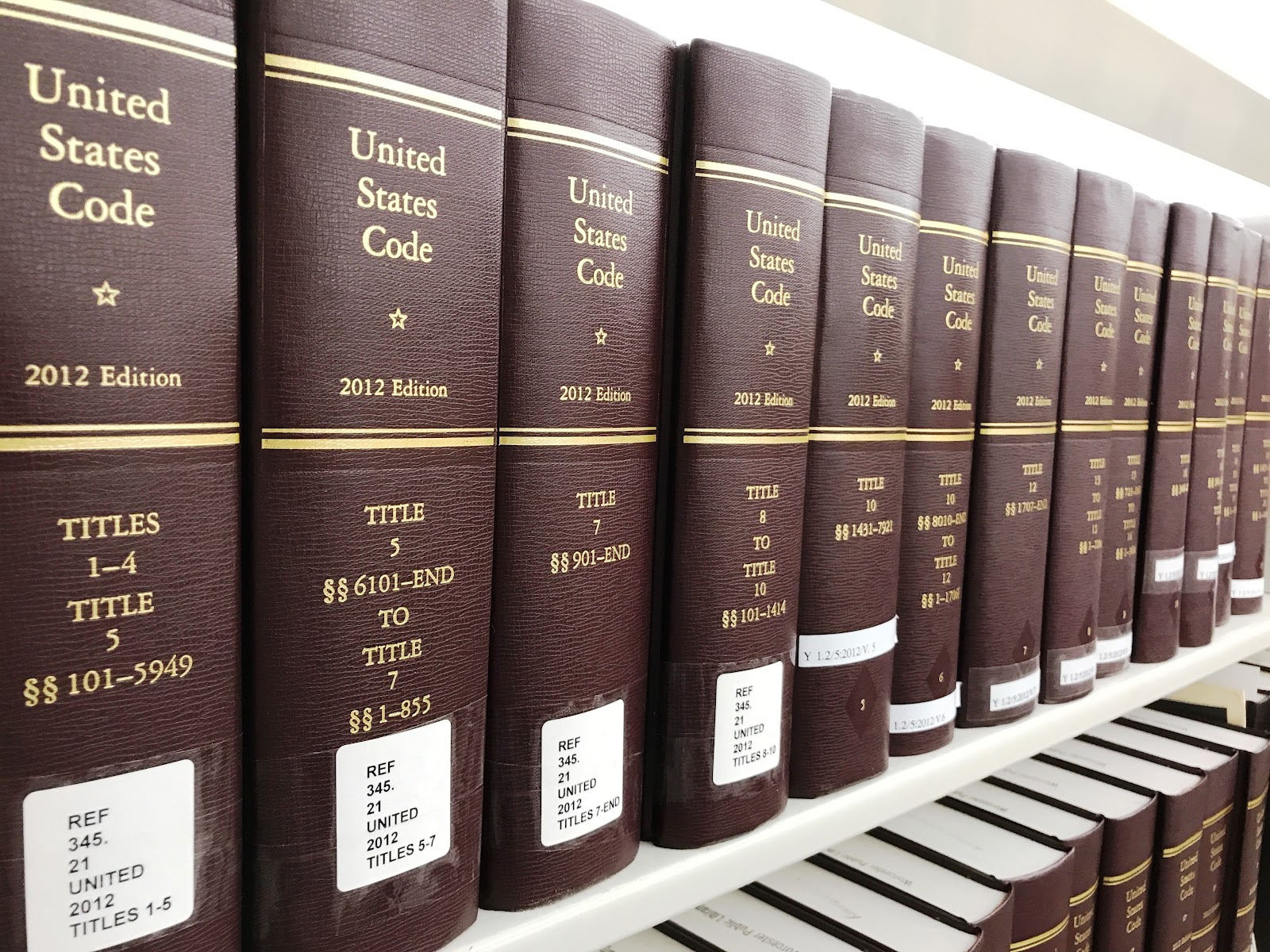
Government documents are publications produced by the federal government. They provide all different types of information on a wide range of topics, including technical scientific data, general overviews of a currently political topics, weather, and health.  U.S. laws, regulations, and even the constitution, are also all government documents.

There are good reasons to keep government documents in mind when doing research.  Lots of time, effort, and expertise are used to make sure the government has the best information possible to provide to the public and make decisions, making these documents quite authoritative.  In some cases, like the census, the government has the only real comprehensive data set.  Government documents are also generally free of copyright, meaning they can be reused.   

The Worcester Public Library has been a depository library since 1859, which means we have been receiving and housing government documents for more than 150 years!  Because of this long tenure, WPL has a large collection of government documents, with some dating back more than a hundred years.

Most government documents are held in WPL’s basement, so if you are searching our catalog and see an item with an unusual call number, don’t hesitate to ask a librarian to help you find it.  Chances are you have stumbled upon a government document and it will need to be retrieved for you.  Newer documents can be found displayed on the second floor alongside a display of recently returned or used government documents.

In keeping with the Government Publishing Office’s mission of “keeping America informed,” most government documents are now available online.  The information is not all in one place however, and you will generally need to go to the website of the agency which published the information to find what you need.  Fortunately, documents from a number of different government agencies can be searched and found through our catalog.   If you need to view one of these documents, just look for the link under the ‘Electronic resources’ heading in the record.  This link will take you directly to the document.


There is certainly more that can be said about government documents, so if you have more questions, don't hesitate to reach out.  We are here to help you find the answers to all your burning questions.


Thursday, April 2, 2020

Tax Day Blues

Tax Day, which should really be called Tax Return Filing Day, annually brings anxiety to millions of American citizens. This year, due to the disruption of the COVID-19 pandemic, we have a short reprieve:

Both the federal tax-filing deadline and that of Massachusetts have been moved from April 15 to July 15. See https://www.irs.gov/coronavirus and https://www.mass.gov/info-details/important-covid-19-coronavirus-response-update-from-dor

But why April 15 to begin with?

Income tax was first levied in the US during the Civil War. Abraham Lincoln was president and our government had a new branch, called the Internal Revenue Service (IRS). The IRS wanted money for the war effort against the Confederacy, so in 1861 it decided to tax American households with annual incomes over $800 3% of that income. But Americans of the mid-19th century didn't like taxes any more than their 21st-century counterparts and there was a great outcry. Eleven years later in 1872 the tax was declared unconstitutional.

But then Congress passed a bill, called the Revenue Act of 1894, to levy a 2% tax. However, it wasn't until the 16th Amendment to the US Constitution was ratified in 1913 that we had a law that empowered Congress to tax citizens' income. The management of this program was assigned to the IRS.

In 1913 Tax Day was March 1 and five years later, with the Revenue Act of 1918, it was moved to March 15. In 1955, under President Eisenhower, that fraught day was pushed back to April 15, the date we've all come to dread. Why was Tax Day a moving target? Because for years the IRS had difficulty collecting what it claimed it was due, while Americans felt they didn't have enough time to prepare their tax returns. Even as the filing date was eased, the tax code became more encompassing.

Here are some eBooks on Money Management: eBooks on Money

The WPL, a Government Document repository, has many digital documents on Congress' tax-related deliberations. Try exploring these search results, which you can download from home: Tax-Related Gov Docs

You might also be interested in  Taking Advantage of the Tax Day Delay

Monday, December 16, 2019

2020 Fuel Economy Guide


2020 Fuel Economy Guide
Fuel Economy Guide 2020
www.fueleconomy.gov


Each year, the U.S. Department of Energy (DOE) and U.S. Environmental Protection Agency (EPA) publish the Fuel Economy Guide to help consumers make informed decision when purchasing a vehicle.  The Guide features fuel economy, annual fuel cost, and emission information for new model year cars, SUVs, and light trucks.  A printable, electronic version is available here.

The DOE and EPA have also developed the fuel economy website www.fueleconomy.gov.  It features updated field economy date for new and used passenger vehicles dating back to 1984, allows side-by-side vehicle comparisons, and offers fuel-saving tips.  The website contains vehicle-specific air pollution emissions information, safety ratings, and provides links to car-buying websites.

If you're interested in saving money, reducing our nation's dependence on imported oil, and promoting cleaner air in our communities, this is the resource for you!


Tuesday, July 18, 2017

On This Day in Government Documents: The Presidential Succession Act of 1947

Today marks the 70th anniversary of the Presidential Succession Act of 1947 signed by President Harry Truman. The Twenty-Fifth Amendment to the U.S. Constitution covers a variety of scenarios: what happens if there is a presidential vacancy? what happens if there is a vice presidential vacancy? what happens if the president becomes incapacitated? However, it does not answer the question of what happens if both the president and the vice president can no longer serve.
The Presidential Succession Act of 1947 fills in the gaps of the Twenty-fifth Amendment with regard to the line of succession. This act, and its predecessors, the Presidential Succession Act of 1792 and the Presidential Succession Act of 1886, have never been invoked. The Presidential Act of 1947 is codified in 3 U.S. Code § 19.

IMG_0347.JPG

The 1792 Act called for the president pro tempore of the Senate to fill the position of the presidency if the president and vice president could no longer serve. If the president pro tempore was unable to serve the speaker of the House would fill the position.

The line of succession changed in 1886. Congressional officers were out and cabinet members were in. Proponents of the new act insisted the president pro tempore and speaker of the House would lack the experience needed to fill the position of the presidency. Instead, the line of succession would go to the president’s cabinet and be determined by the order in which the cabinet positions were created. This meant the secretary of state would be first in line to serve as president if the both the president and vice president could no longer serve. At the time of Presidential Succession Act of 1886, six cabinet positions were filled by former presidents and it was thought these men would better be able to act as president because of their prior experience.


The order of succession changed again in 1947. Today, if the president and vice president can no longer serve, the speaker of the House becomes president. If the speaker of the House cannot serve, the president pro tempore of the Senate fills the position. If both of these officials are unable to fill the  position the line of succession moves to the presidential cabinet members and follows the order in which the cabinet positions were created starting with the secretary of state.


While none of the acts have been invoked, many instances have occurred where either the president or vice president could no longer serve, but there are no situations where both were unable to serve. However, thanks to Aaron Sorkin we can catch a glimpse of how the Presidential Succession Act might play out if it were necessary.

In Twenty-Five, episode 23 of season 4 of The West Wing, President Bartlet (played by Martin Sheen) is unable to fulfill his presidential duties and temporarily steps down from office, invoking the Twenty-fifth Amendment. The Twenty-fifth Amendment calls for the vice president to step in; however, Bartlet’s vice president recently resigned due to a scandal, leaving the office vacant as Bartlet had not yet nominated a new vice president. Next in line, according to the Presidential Succession Act of 1947, is the Speaker of the House, Glen Allen Walken (played by John Goodman). Walken’s political views are in direct conflict with those of the Bartlet administration. The tension is thick as Walken is sworn in as the acting president. As Bartlet makes an effort to ease the situation, Walken retorts, “You are relieved, Mr. President.”


Curious about the Presidential Succession Act? View our Presidential Succession Act reading list to learn more from WPL's government documents collection.

Sunday, June 25, 2017

On This Day in Government Documents: June 25, 1950 The Korean War

On this day in 1950 North Korea invaded South Korea beginning a conflict which remains unresolved to this day. After the end of World War II, the Soviet Union occupied Korea north of the 38th parallel and the United States controlled the land in the south. Both North Korea, a socialist republic,  and South Korea, a Western-style regime,  believed their government to be the rightful government of the country.

The United Nations condemned this invasion calling for North Korea to withdraw to the 38th parallel. With the fear of the spread of communism and the possibility of a third world war, President Truman ordered U.S. troops to South Korea only five years after the end of World War II.


Early in the war,  territory often changed hands with Seoul changing hands four times. The last two years of the war were stagnant with each side's territory remaining mostly the same. This stalemate resulted in an armistice signed on July 27, 1953 establishing the Demilitarized Zone which physically divided Korea and allowed for the release of prisoners. Even though the armistice was signed, no peace treaty was ever signed.

Aerial warfare had advanced since the end of WWII from the propeller plane to the fighter jet in air-to-air combat. The use of helicopters was new to warfare and necessary due to Korea’s rough terrain. Helicopters, along with the advancement of triage techniques learned in WWII helped to reduce the rate of fatal casualties during the war. Approximately 33,739 U.S. troops perished in battle and another 2,835 perished from non-battle deaths.

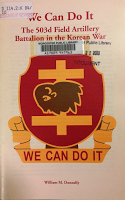
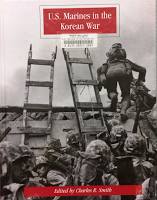
This product of the Cold War is also termed “The Forgotten War.” Despite this moniker we have plenty of documents published by the U.S. Government, many from the Department of Defense, the State Department, and Congressional Committee Hearings here at the Worcester Public Library. Browse our Korean War reading list today.


Monday, June 12, 2017

On This Day in Government Documents: June 12th, 1987, "Tear Down This Wall"

Thirty years ago today, U.S. President Ronald Reagan, while giving a speech in West Germany, called for Soviet Union General Secretary Mikhail Gorbachev to "Tear down this wall!" The Berlin Wall had divided the city since 1961 into East and West and would continue to do so until June of 1990 when demolition began to remove the concrete divide. Below is an excerpt of President Reagan’s Speech.


“We welcome change and openness; for we believe that freedom and security go together, that the advance of human liberty can only strengthen the cause of world peace. There is one sign the Soviets can make that would be unmistakable, that would advance dramatically the cause of freedom and peace. General Secretary Gorbachev, if you seek peace, if you seek prosperity for the Soviet Union and Eastern Europe, if you seek liberalization: Come here to this gate! Mr. Gorbachev, open this gate! Mr. Gorbachev, tear down this wall!”

Little was done to stop the construction of the wall, which was built during John F. Kennedy’s presidency. Those in power thought the wall would help to prevent another war in Europe.  


The Berlin Wall stood as a physical and symbolic barrier between the capitalist world and the communist world. It was erected to isolate and restrict the massive emigration from East Germany to West Germany due to East Germans desire for independence and economic freedom from the Soviets.

Many crossed the wall successfully, although this became more difficult as each iteration of the wall was constructed to be reinforced better than the last. Many died attempting to cross the wall, either from being shot by guards, jumping from the window of a building, or even by crashing a hot air balloon while attempting to fly over the border.

By June of 1987, when Reagan delivered his speech, the wheels were already in motion for the dismantling of the wall. The Soviet economy was in decline which prompted Gorbachev to push forward an economic restructuring, perestroika, which focused on private ownership of business and foreign investment. He also allowed for openness, glasnost, which promoted transparency and freedom of the press.

Shelfie of our American Foreign Policy documents
published by the U.S. Department of State

The Berlin Wall was one of many conflicts from the Cold War. Check out our Cold War Era reading list to learn more about some of the government documents the Worcester Public Library holds on this topic.   


Monday, May 29, 2017

On This Day in Government Documents: May 29th, 2017 Marks the 100th Anniversary of JFK's Birth


And so, my fellow Americans,
ask not what your country can do for you -
ask what you can do for your country. - JFK

The Kennedy name is synonymous with American politics, and today marks the birth of a political legacy: John Fitzgerald Kennedy was born 100 years ago on this day.
Not only is the Kennedy name synonymous with American politics but it is also synonymous with scandal and tragedy.
Coming from a very wealthy family, he had almost every privilege in life. This allowed him to lead a life of public service that began with the United States Naval Reserves and ended tragically with his assassination during his Presidency while on a visit to Dallas, Texas, in 1963.

His first election to the House of Representatives was made possible by his father, who urged the current U.S. Representative, James Michael Curley, to run for mayor of Boston to make way for his son and financed Kennedy’s campaign. There were extramarital affairs, most famously with Marilyn Monroe. There were cries of nepotism which stemmed from many close family members holding appointed and elected positions in the government.    
But amid the scandal, President Kennedy worked towards civil rights, established the Peace Corps, bolstered the space program, and had an average approval rating of 70%, the highest of any president.    
Below are just a few items from our Government Documents collection published during his all-too-brief presidency.


View our JFK Reading List to see what other publications we have in our Government Documents collection.

  If we cannot now end our differences, at least we can help make the world safe for diversity. -JFK


Sunday, May 14, 2017

On This Day in Government Documents: May 14th: America Explores! Lewis and Clark and Skylab

May 14th, 1804: Lewis and Clark set out on their Corps of Discovery 


The first federally funded scientific expedition set out to fulfill President Thomas Jefferson's instructions "to explore the Missouri [R]iver, & such principal stream of it as by it's course and communication with the waters of the Pacific ocean whether the Columbia, Oregon, Colorado or any other river may offer the most direct & practicable water communication across this continent for the purposes of commerce."


Lewis and Clark crossed into the western portion of the United States for the first time by Americans, exploring the recently acquired Louisiana land, mapping a path all the way to the Pacific Ocean. Their mission was not solely for science and research but also to establish an American presence before other European countries and to gather information on the native peoples of the western land with regard to culture and population size.

Explore their journey through Worcester Public Library's pamphlets, brochures, and other documents.

May 14th, 1973: Skylab launched into orbit


On this same date in 1973, another federally funded mission set out to explore. With the end of the Apollo missions, NASA set its sights on more long-term missions to research how humans and other organisms would fare in space.


Skylab was launched as an unmanned orbital workshop by the re-purposed Saturn V rocket from the Apollo missions in an effort to save money due to a dwindling budget. However, the vibrations from the launch resulted in several malfunctions including a torn off micrometeroid shield and damaged solar panels used to generate electricity. This left Skylab with only half of its power-generating capability and caused the lab to overheat.


Between 1973 and 1974, three manned missions traveled to Skylab to conduct scientific experiments, Skylab 1, Skylab 2, and Skylab 3. The first mission was able to repair the damage done to Skylab during the launch making the orbiting lab habitable for humans. Experiments conducted by the Skylab missions ranged from sleep monitoring to nuclear emulsion. One study from Biomedical Results from Skylab observed the zero-gravity effects on living human cells during Skylab 3. 


Interested in learning more about how important it is to fund science? Check out our reading list on the Skylab missions.


Tuesday, April 25, 2017

On This Day in Government Documents: April 25, 1990, Hubble Space Telescope Deployed

Deployed on this day in 1990, the Hubble Space Telescope brought the promise of high-resolution images of our universe without the distortion of the Earth's atmosphere and light pollution.

Once the Hubble Space Telescope was launched by Discovery, NASA and the world would soon realize a problem with Hubble's main mirror would delay the much anticipated high-resolution telescope images. It took three years to design a solution for the problem and to send a shuttle crew to repair the faulty mirror.

Interested in learning more about one of the largest space telescopes? Worcester Main Library has many government documents published by NASA on the telescope and much more.

Check out our reading list and browse the documents below for more information. Want to view the sky through the lens of a telescope? Place a hold on one of Worcester Public Library's telescopes here.


Exploring the universe with the Hubble Space Telescope


Edwin P. Hubble - The namesake of our largest space telescope

Space telescope program review : 

hearing before the Subcommittee on Space Science and Applications of the 

Committee on Science and Technology, U.S. House of Representatives, 

Ninety-fifth Congress, second session, 

July 13, 1978.


Hubble: an overview of the space telescope


Hubble science year in review

Science with the Hubble Space Telescope-II

What a view: realizing a vision: first mission to service the Hubble Space Telescope


Tuesday, April 11, 2017

On this Day in Government Documents: April 11th, 1970, The Launch of the Ill-Fated Apollo 13


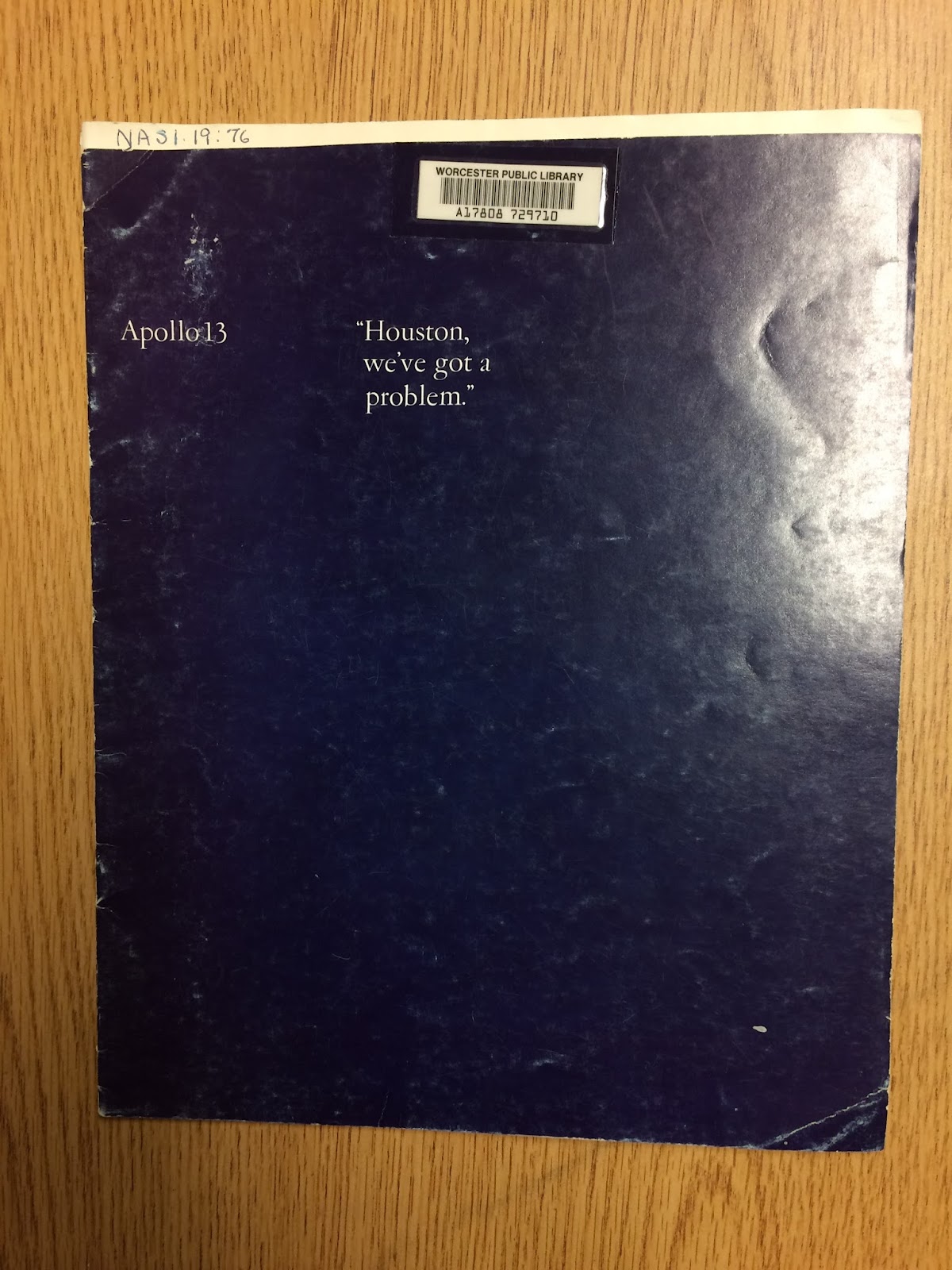
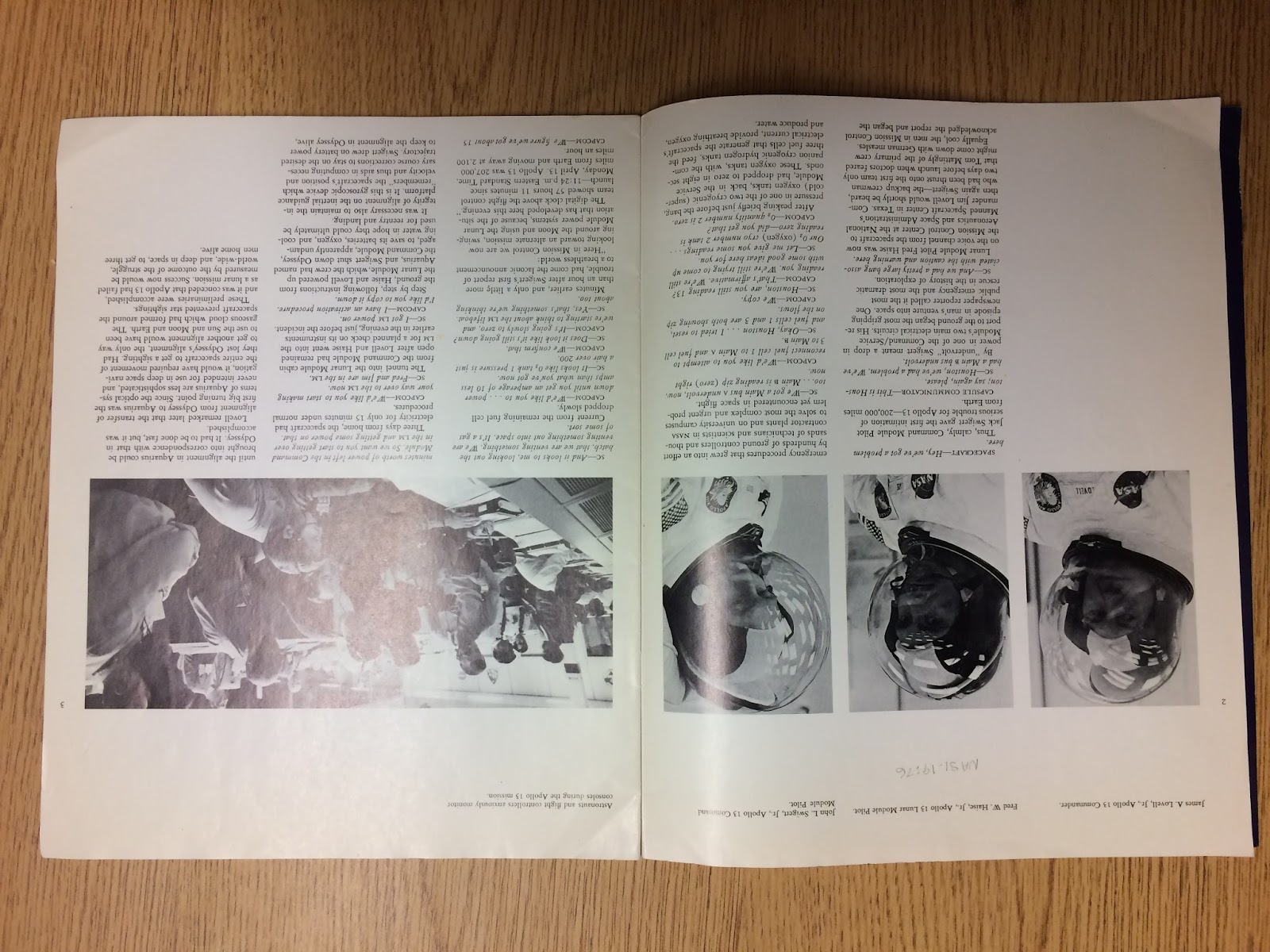
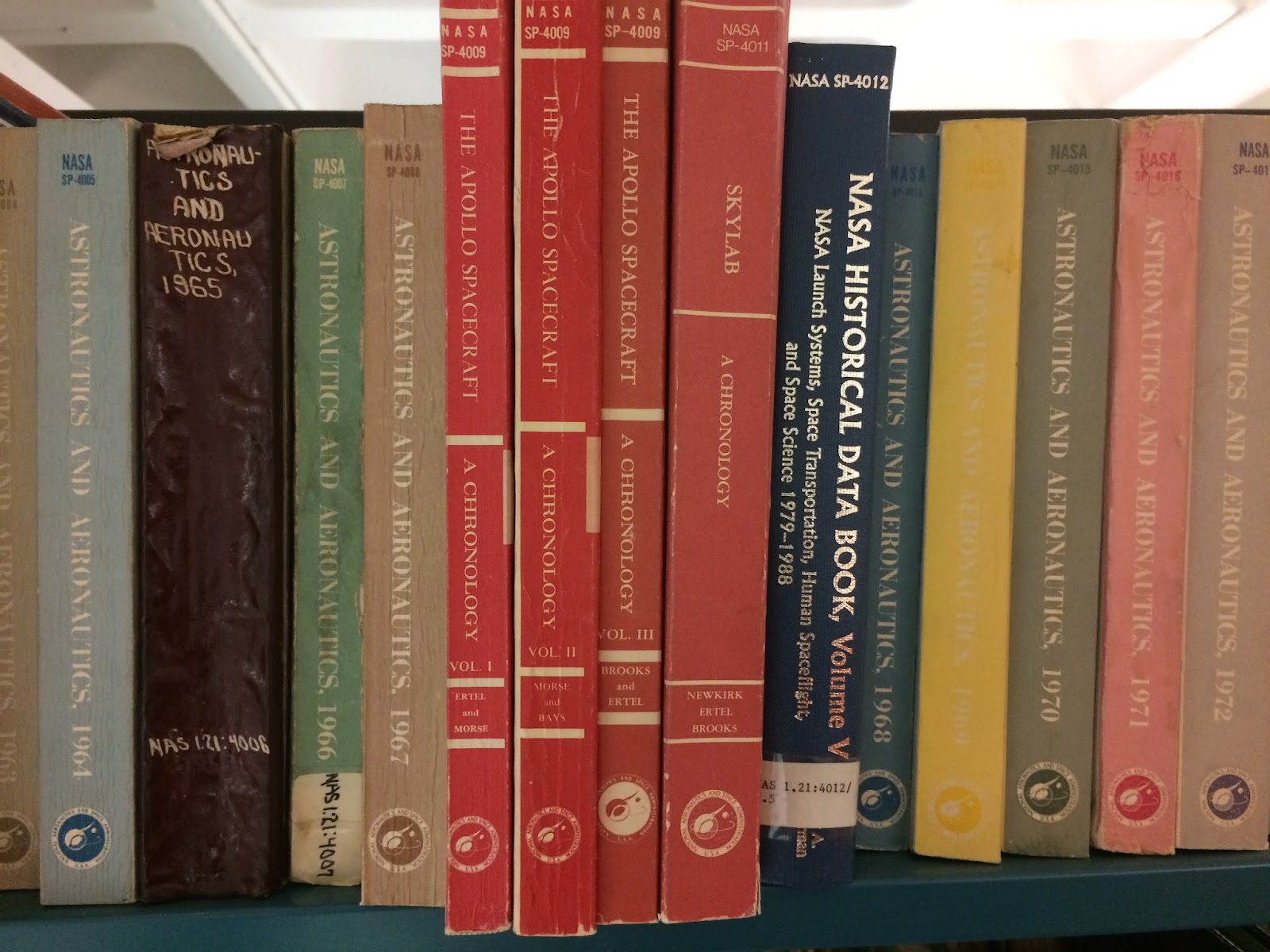
Forty-seven years ago today Apollo 13 launched from Kennedy Space Center in Florida with every intention of being the third manned mission to land on the moon. The trajectory of this mission soon changed from a space odyssey to a rescue effort that tested the ingenuity of the flight crew and the Houston flight controllers. Not only did this incredible event inspire a major motion picture (which misquoted “Houston, we’ve had a problem” with “Houston, we have a problem,” not an uncommon mistake as seen in the second government document titled, “Houston, we’ve got a problem”) but it also launched a bevy of government documents ranging from congressional hearings regarding the mission and the accident to a four volume chronology on the spacecraft, all available for your research needs at the Worcester Public Library. Click here to see documents published by the U.S. government on Apollo 13 held at Worcester Public Library.   

IMG_7670.JPG
Apollo 13: "Houston, we've got a problem"


IMG_7671.JPG

 "SPACECRAFT - Hey, we've got a problem here.
     Thus, calmly, Command Module Pilot Jack Swigert gave the first intimation 
of serious trouble for Apollo 13 - 200,000 miles from Earth.
     CAPSULE COMMUNICATOR - This is Houston; say again, please. 
     SPACECRAFT - Houston, we've had a problem. We've had a Main B bus undervolt."


IMG_7673.JPG

"For three long minutes no word was heard from the
spacecraft as friction with the air raised the heat shield to a
fiery glow that blacked out radio communication."


IMG_7662.JPG

BONUS: The Apollo spacecraft: a chronology is available as an online resource!